


Is your dog afraid of the vet?
Reasons why and how to help them feel safe
It is more common than you might think for a dog to tremble, hide or refuse to enter the vet’s surgery. Many owners worry when they see their pet getting nervous even before they arrive, but the truth is that there is a very logical explanation for this behaviour.
Dogs experience a visit to the vet as an intense experience: unfamiliar smells, new sounds, physical handling and, at times, memories of previous discomfort. All of this can lead them to associate the clinic with an unpleasant situation.
The good news is that, with patience and a few simple guidelines, it is possible to significantly reduce this fear.
Why are dogs afraid of the vet?
1) Sensory overload
The clinic is a place full of stimuli. For a dog, whose sense of smell and hearing are much more sensitive than ours, entering the surgery can be overwhelming.
The smell of disinfectant, other animals, barking, telephones, people coming and going… all of this can cause stress from the very first moment.
2) Handling and examination
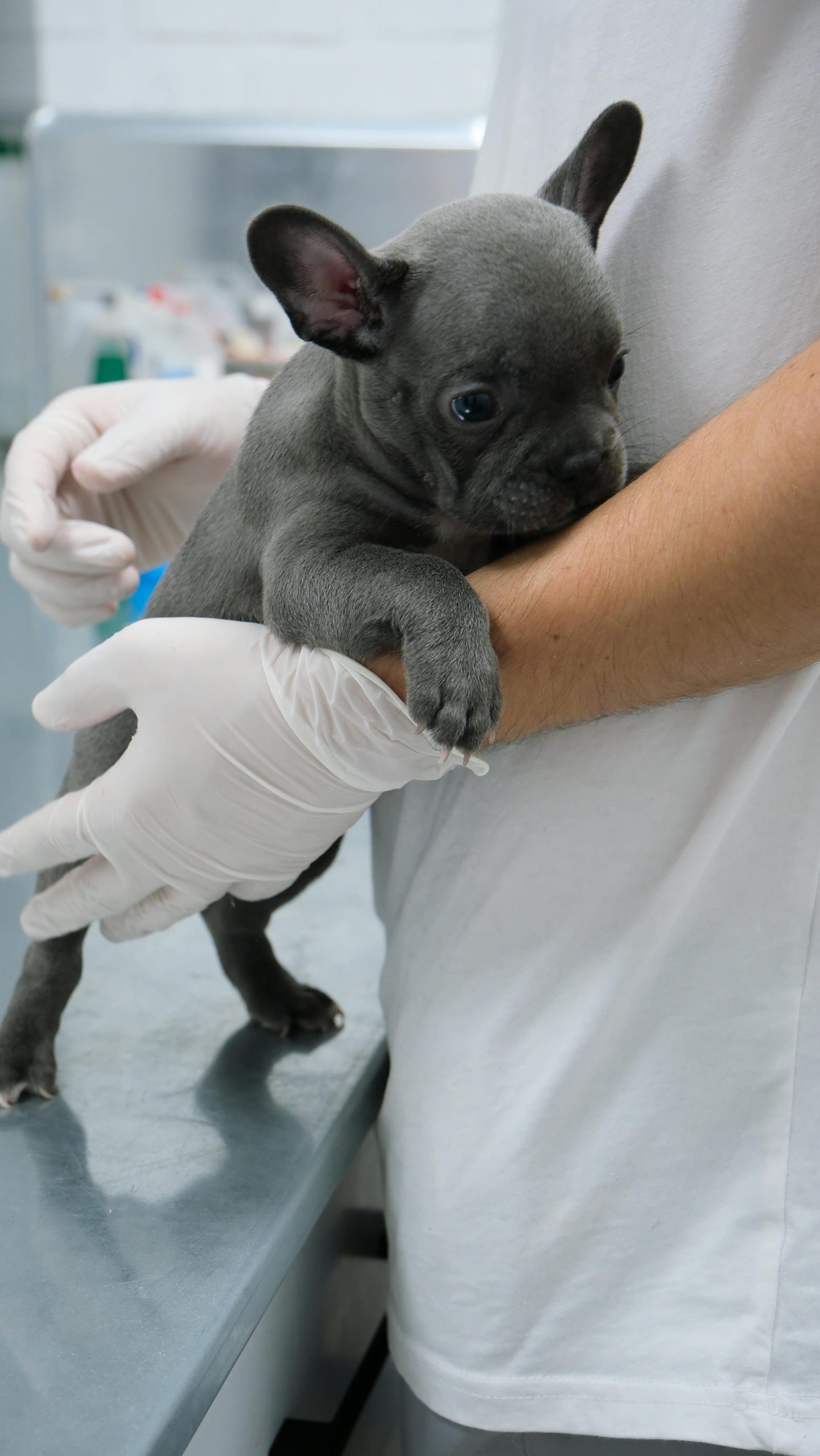
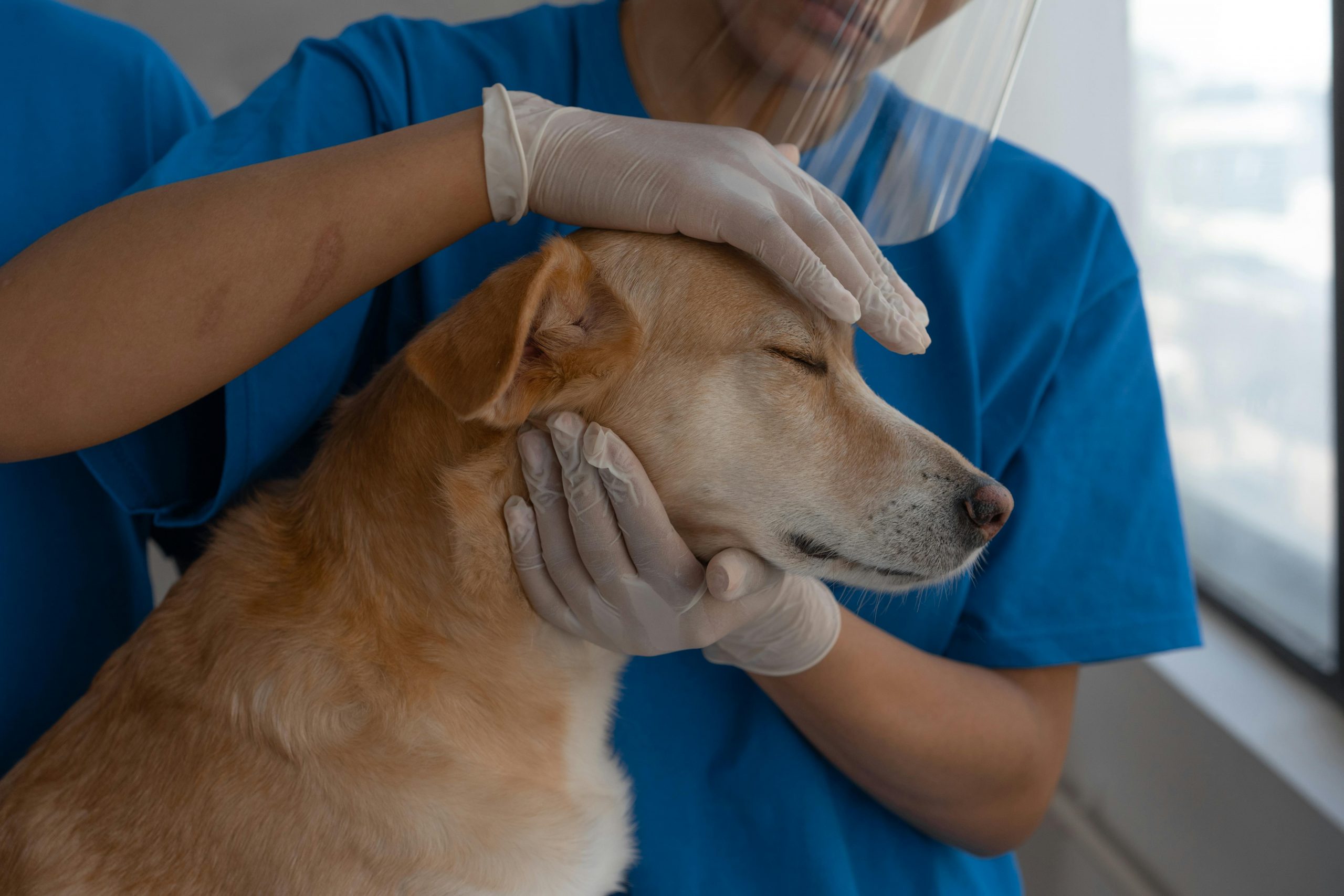
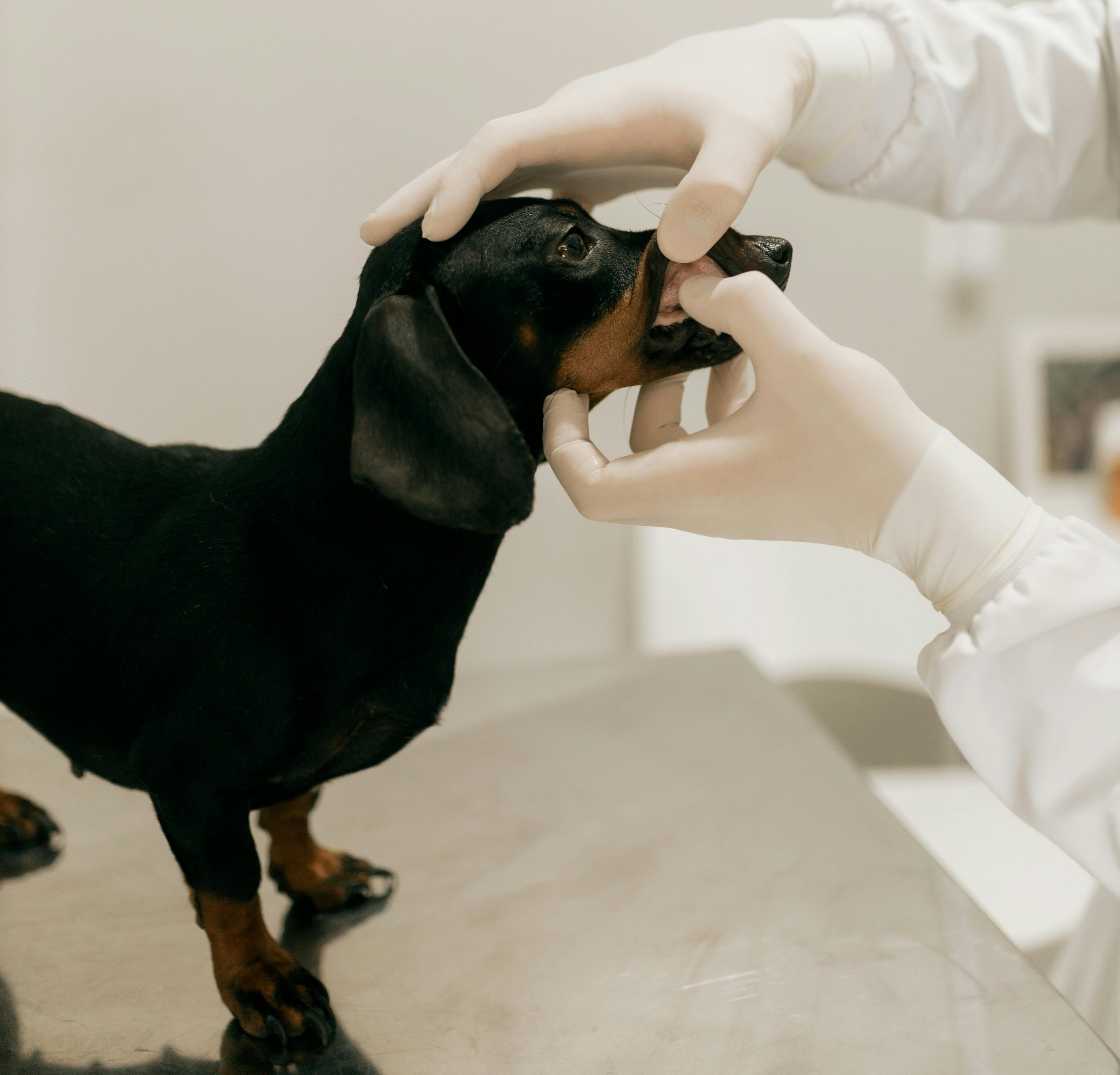
During the consultation, it is normal for the vet to check the ears, mouth, paws or abdomen. Although necessary, for some dogs this handling can be uncomfortable, especially if they are not used to it.
3) Negative memories
Many dogs associate the clinic with jabs, injections, pain or discomfort. If they had an unpleasant experience on a previous visit, it is normal for them to anticipate that memory on the next one.
4) Owner’s stress
Dogs are experts at reading our body language. If we arrive in a hurry, feeling tense or worried, they pick up on it and this can make them even more nervous.
Signs that your dog is afraid at the vet’s
It is important to know how to identify the signs of stress so you can act in time:
- Excessive trembling or panting
- Tail tucked between the legs
- Crouched posture
- Attempts to hide or escape
- Refusal of treats
- Growling or avoidance
- Repeated yawning or licking of lips
Recognising these signs helps us improve their experience and prevent their fear from escalating.
How to help your dog before the visit
Small gestures can make a big difference:
⚪️Get them used to being handled at home: Gently touching their paws, ears, mouth or belly whilst rewarding them helps make the examination feel more familiar.
⚪️Make visits positive: Dropping by the clinic just to say hello, get a stroke or a treat can completely change their mental association with the place.
⚪️Bring high-value treats: Tasty snacks help to distract, relax and create a positive experience.
⚪️Choose quiet times: Whenever possible, book an appointment during quieter periods to reduce the stress of the waiting room.
⚪️During the consultation, your role is key: Your presence can be their greatest support.
Speak in a calm voice, avoid conveying tension, and let them approach the vet at their own pace. In some cases, examining them on the floor rather than on the table can make them feel much safer.
Communication with the veterinary team is also essential to adapt the visit to their level of anxiety.
⚪️They also need support after the visit: Even if it went well, it’s normal for them to need to relax afterwards.
Let them rest at home, avoid further stimulation that day, and reinforce the experience with something pleasant, such as a quiet walk or their favourite treat.
📌 In short, patience, routine and trust: Overcoming a fear of the vet doesn’t happen overnight, but with positive reinforcement, pleasant visits and respectful handling, most dogs improve significantly.