


Does my dog have Alzheimer’s?
Everything you need to know about canine cognitive dysfunction
As the years go by, our dogs change. They sleep more, tire more easily and may need some special care. However, sometimes these changes go beyond normal ageing and may be a sign of a condition known as Canine Cognitive Dysfunction (CCD), a disease many refer to as ‘canine Alzheimer’s’.
Although dogs do not suffer from Alzheimer’s in exactly the same way as humans, they can experience a progressive decline in their cognitive abilities that affects their memory, behaviour and ability to interact with their environment.
What is canine cognitive dysfunction?
Canine cognitive dysfunction is a neurodegenerative disease that mainly affects older dogs. It occurs as a result of age-related changes in the brain, including the accumulation of abnormal proteins, the loss of neurons and a reduction in cerebral blood flow.
These changes affect vital functions such as memory, learning, orientation and social interactions.
It is estimated that a large proportion of elderly dogs experience some degree of cognitive decline, although many cases go unnoticed because owners often attribute the symptoms simply to old age.
What happens in the brain of a dog with cognitive dysfunction?
Research has shown that dogs with CD exhibit brain changes similar to those observed in human patients with Alzheimer’s disease. These include the accumulation of beta-amyloid protein, progressive loss of neurons, a decrease in essential neurotransmitters, chronic inflammation of brain tissue, and increased oxidative stress.
All of this leads to a progressive decline in the animal’s cognitive abilities.
How can I tell if my dog has cognitive dysfunction?
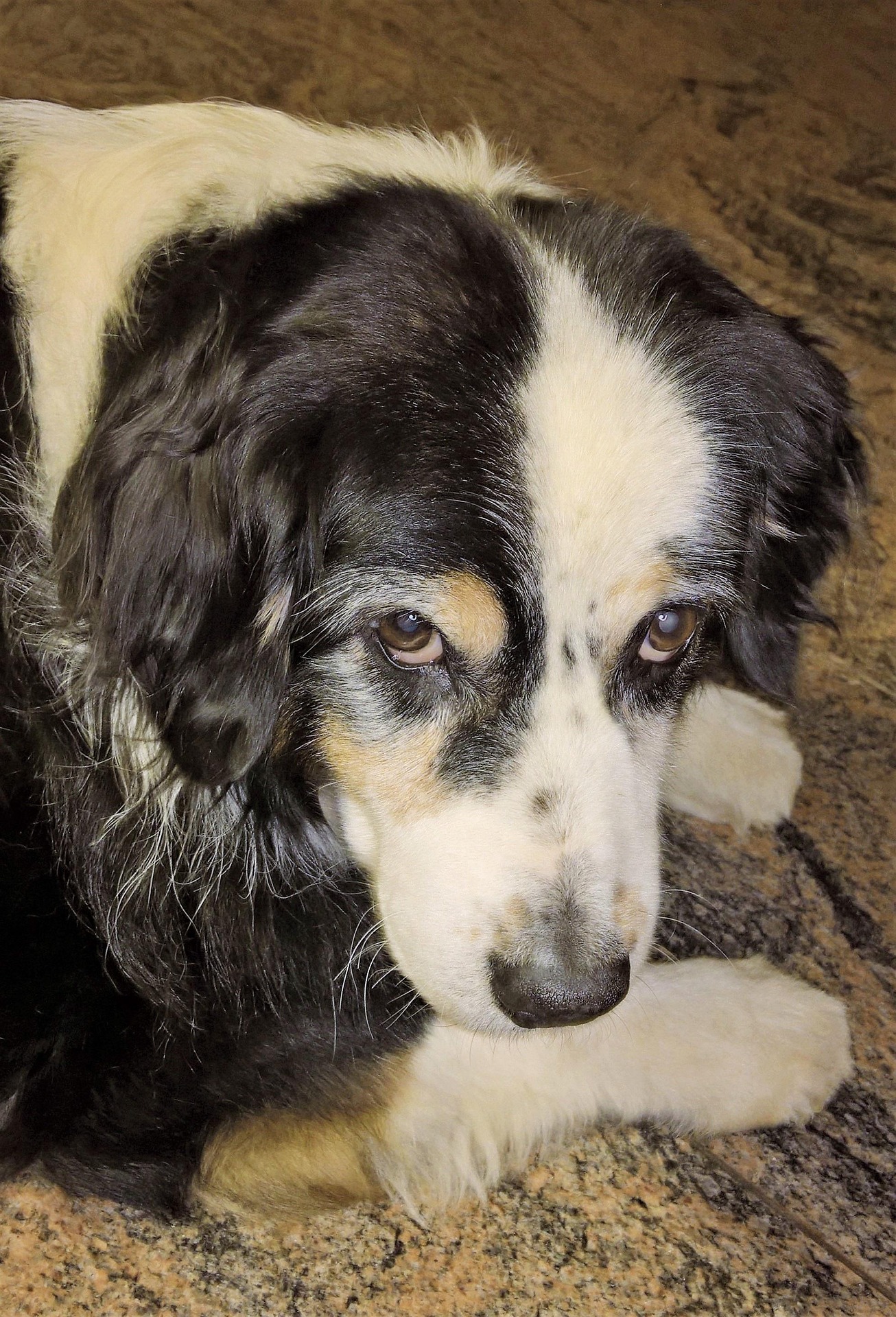
It is normal for an older dog to have less energy, sleep more, or experience some loss of sight and hearing. However, when significant changes in behaviour occur, it may be a sign of cognitive dysfunction syndrome.
Among the most common signs are:
🔺Disorientation in familiar places. The dog may seem lost even in places it knows perfectly well, get stuck behind furniture, or have difficulty finding doors and entrances.
🔺Changes in social behaviour. Some dogs stop seeking contact with their families, whilst others become overly dependent. Irritability or aggressive behaviour that was not previously present may also appear.
🔺Sleep disturbances. Many affected dogs sleep for much of the day and remain active at night, wandering aimlessly or barking for no apparent reason.
🔺Memory loss. They may forget commands they once knew, their usual routines, or even where their food and water are.
🔺Toileting problems. It is common for them to start urinating or defecating indoors despite having been properly house-trained for years.
🔺Anxiety and nervousness. Some dogs show constant restlessness, vocalise more than usual or develop repetitive behaviours such as walking in circles or licking themselves compulsively.
Unlike normal ageing, which simply slows the dog down, cognitive dysfunction affects their memory, behaviour and the way they interact with their environment. Symptoms usually appear gradually and worsen over time, so it is important to consult your vet if you notice any noticeable changes.


How is it diagnosed?
There is no single test capable of confirming the condition. Diagnosis is based on clinical assessment and ruling out other conditions that may cause similar symptoms.
To do this, the vet may carry out:
- Physical and neurological examination.
- Blood and urine tests.
- Hormone tests.
- Imaging tests such as X-rays, ultrasound scans or MRI scans in specific cases.
It is important to rule out conditions such as hypothyroidism, diabetes, heart problems, neurological disorders or chronic pain associated with osteoarthritis.
Is there a treatment?
There is currently no definitive cure for canine cognitive dysfunction. However, an early diagnosis allows for the implementation of measures that help slow its progression and significantly improve the dog’s quality of life.
⚪️ Maintain stable routines: Dogs with cognitive decline feel more secure when they have regular schedules for eating, walking and resting.
⚪️ Mental stimulation: Interactive games, enriching walks and learning simple exercises help keep the brain active.
⚪️ Specialised diet: There are diets formulated for senior dogs that include antioxidants and nutrients designed to support brain function.
⚪️ Nutritional supplements: Certain supplements, such as antioxidants, omega-3 fatty acids or specific vitamins, may be beneficial under veterinary supervision.
⚪️ Medication: In certain cases, the vet may recommend specific medications aimed at improving cognitive function and managing some associated symptoms.
Can it be prevented?
There is no guaranteed way to prevent the condition, but there are habits that can help delay its onset:
- Maintain regular physical activity.
- Encourage mental stimulation from an early age.
- Provide a balanced, high-quality diet.
- Have regular check-ups with the vet.
- Manage any chronic conditions that may affect the brain.
Just as with humans, an active brain tends to remain functional for longer.
📌Canine cognitive dysfunction can be a cause for concern for families, but it doesn’t mean our dog stops enjoying life. With early diagnosis, proper care and plenty of love, many dogs continue to enjoy a good quality of life for years.
If you notice any changes in your senior dog’s behaviour, consult your vet to assess their health and provide the support they need.