


Hyperactive and overactive dogs
Does your dog never sit still, seem to never tire, and have trouble relaxing even after walking or playing? We often think they are “hyperactive”, but this is not always the case. There are differences between true hyperactivity and overactivity, and understanding them is key to helping your companion.
What is hyperactivity in dogs?
Canine hyperactivity is a real behavioural disorder, similar to ADHD in humans. It usually has a genetic component and, in some cases, is related to neurological alterations in neurotransmitters such as serotonin and dopamine.
It is not just a dog with a lot of energy, but an animal that has difficulty relaxing even when there are no stimuli.
Common signs of hyperactivity:
🔸Inability to rest or sleep deeply.
🔸Panting, restlessness or constant movement for no apparent reason.
🔸Excessive attention-seeking (barking, jumping, nibbling).
🔸Persistent destructive behaviour.
🔸Elevated heart and respiratory rates even at rest.
🔸Difficulty learning or concentrating.
In puppies, this behaviour is usually normal and decreases with age. They are restless by nature. But if it persists into adulthood, it is advisable to consult a vet.
What is overactivity in dogs?
Overactivity, on the other hand, is not a disease. These are healthy dogs that react intensely to certain stimuli: visitors, noises, other dogs, play, food, etc. But when the stimulus disappears, they relax again.
An overactive dog:
✔ Is calm at rest.
✔ Only gets excited in specific situations.
✔ Can learn and concentrate normally.
✔ Sleeps and rests properly.
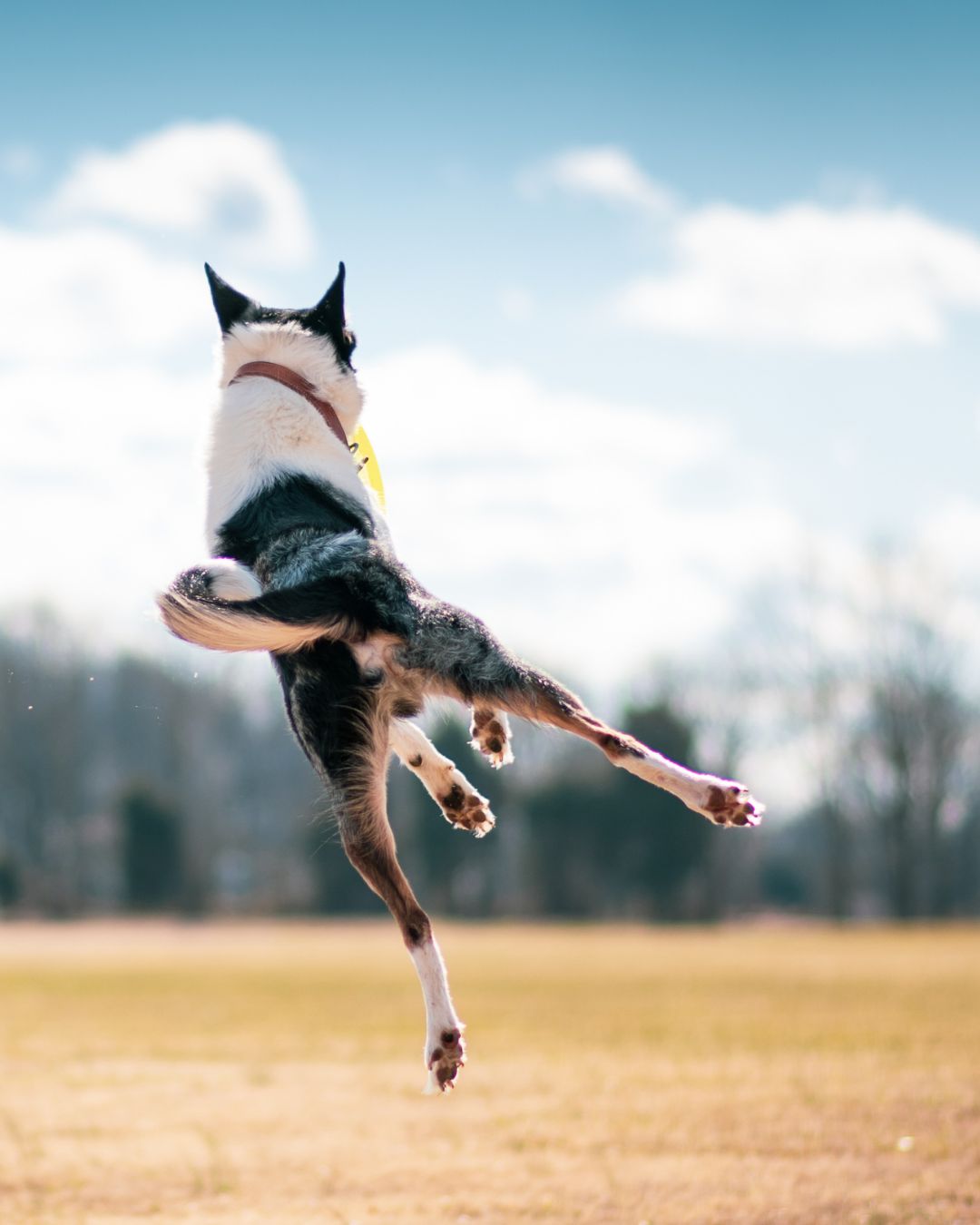
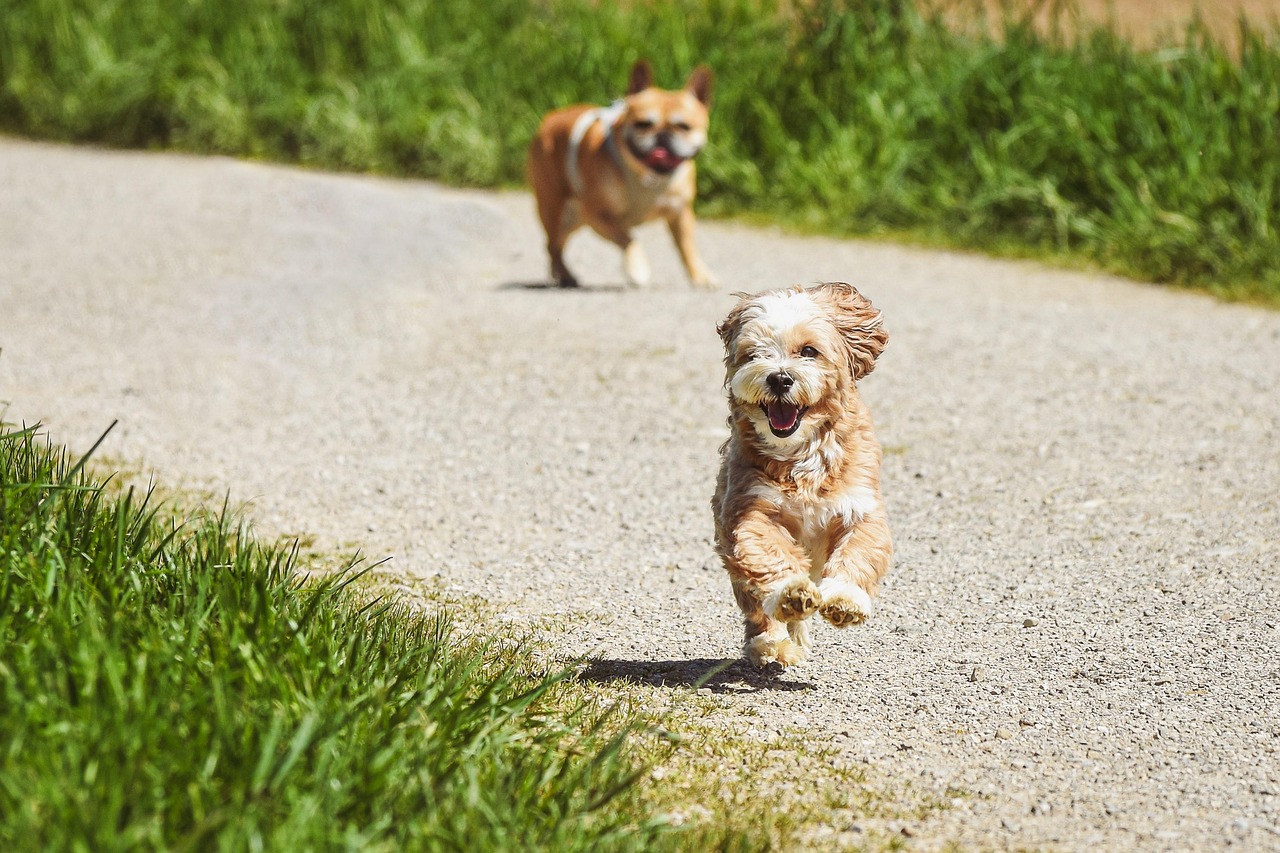
* Practical tip for differentiating between hyperactivity and overactivity:
If your dog is nervous even when nothing is happening → it may be hyperactivity.
If they only get excited at specific times → we are talking about overactivity.
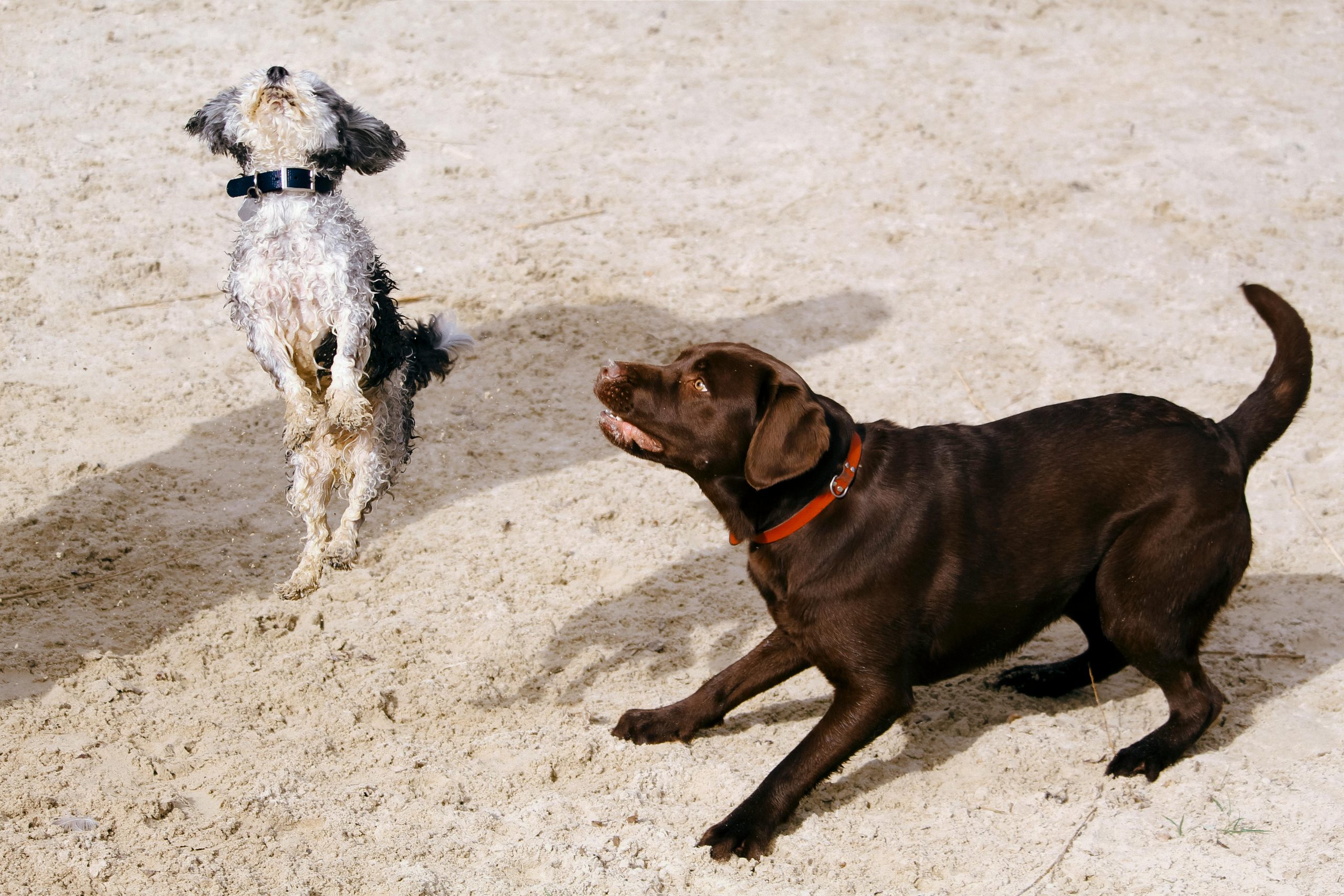
How to calm a hyperactive or overactive dog
Without needing to ‘wear them out’, these guidelines are very helpful:
⚪️ Stable routines: fixed schedules for walks, meals, play and rest reduce anxiety.
⚪️ Adequate exercise: daily walks with time to sniff around and activity adapted to their age and breed.
⚪️ Mental stimulation: search games, interactive toys and simple challenges.
⚪️ Positive reinforcement: rewarding calm behaviour and training basic commands improves self-control.
⚪️ Controlling play: if they get too excited, pause the activity until they relax.
⚪️ Ignore nervous behaviour: only pay attention when they are calm.
When to see the vet?
If the behaviour is intense, persistent or does not improve with changes in routine and training, it is important to consult a professional. In some cases, specialised behavioural support or veterinary treatment may be necessary.
📌In summary: not every restless dog is hyperactive, but all dogs can learn to self-regulate with routines, adequate stimulation and patience. And when in doubt, your vet is always your best ally.