


My cat won’t eat
Causes, what to do and when to be concerned
When a cat stops eating, it can be a cause of great concern for any family. Although sometimes a refusal to eat may be due to a one-off change or a stressful situation, a loss of appetite can also be a sign of pain or illness.
Therefore, if your cat won’t eat, it’s important to observe its behaviour and not to wait too long before consulting a vet.
Why won’t my cat eat?
There are many reasons why a cat might stop eating. Some are minor and temporary, but others require veterinary attention.
🔹Stress or changes in their environment
Cats are very sensitive to change. Moving house, the arrival of a new pet, changes to their routine or even alterations to their surroundings can cause stress and lead to a temporary loss of appetite.
In these cases, it is important to provide them with a quiet and safe space, maintain their usual routines and avoid unnecessary changes.
🔹Change of food
Cats can be particularly fussy eaters. A sudden change in brand, flavour, texture or type of food can cause them to refuse their food.
If you need to change their diet, it is advisable to do so gradually, slowly mixing the new food with the old one.
🔹Dental problems or pain
Pain in the mouth can make eating uncomfortable or even painful. An infection, inflamed gums, a damaged tooth or other oral problems can cause a cat to stop eating.
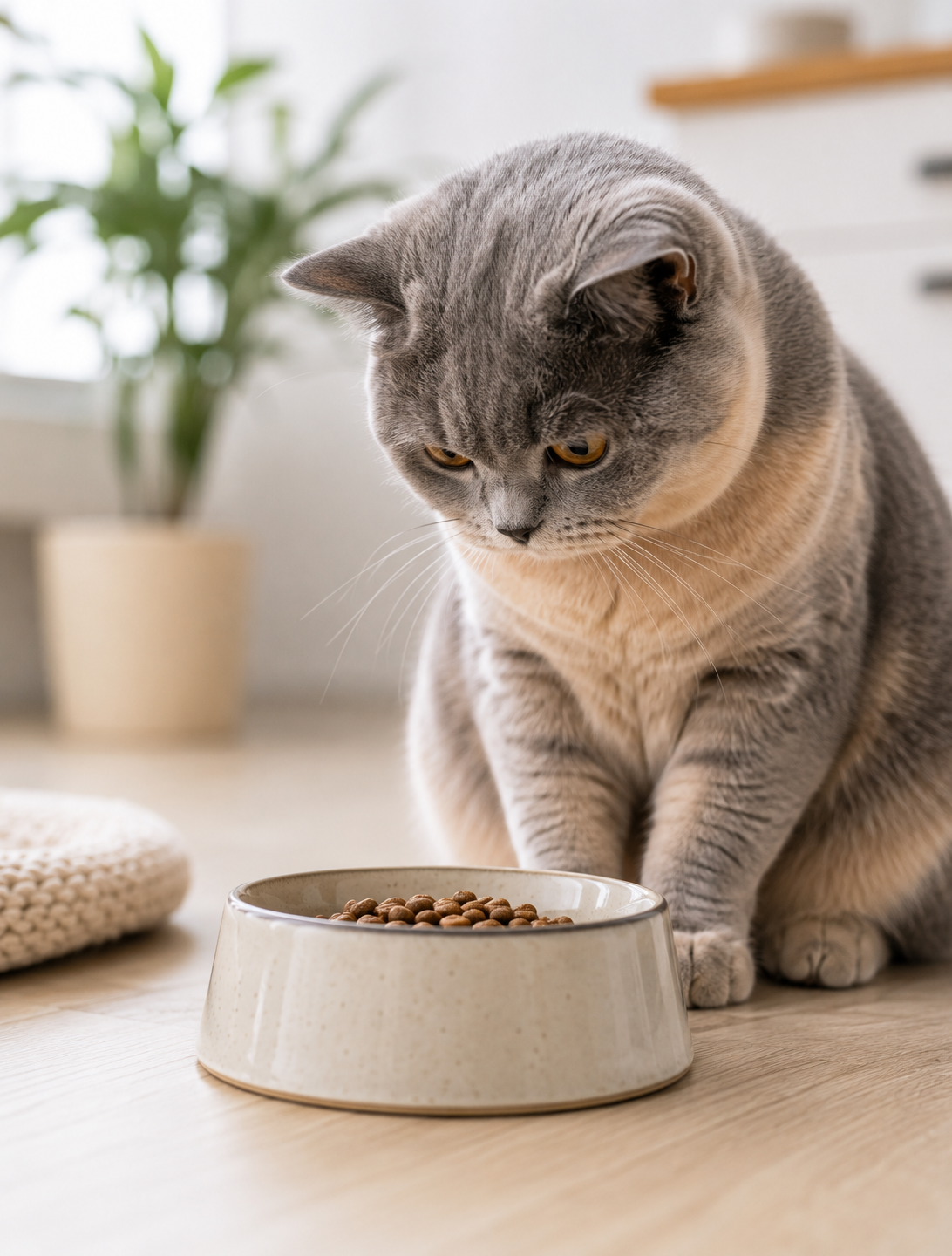
If you notice bad breath, drooling, difficulty chewing or if your cat approaches the food bowl but doesn’t eat, it’s important to have them examined by a vet.
🔹Digestive problems or illnesses
A loss of appetite may also be linked to gastrointestinal problems, infections, kidney or liver disease, and other conditions.
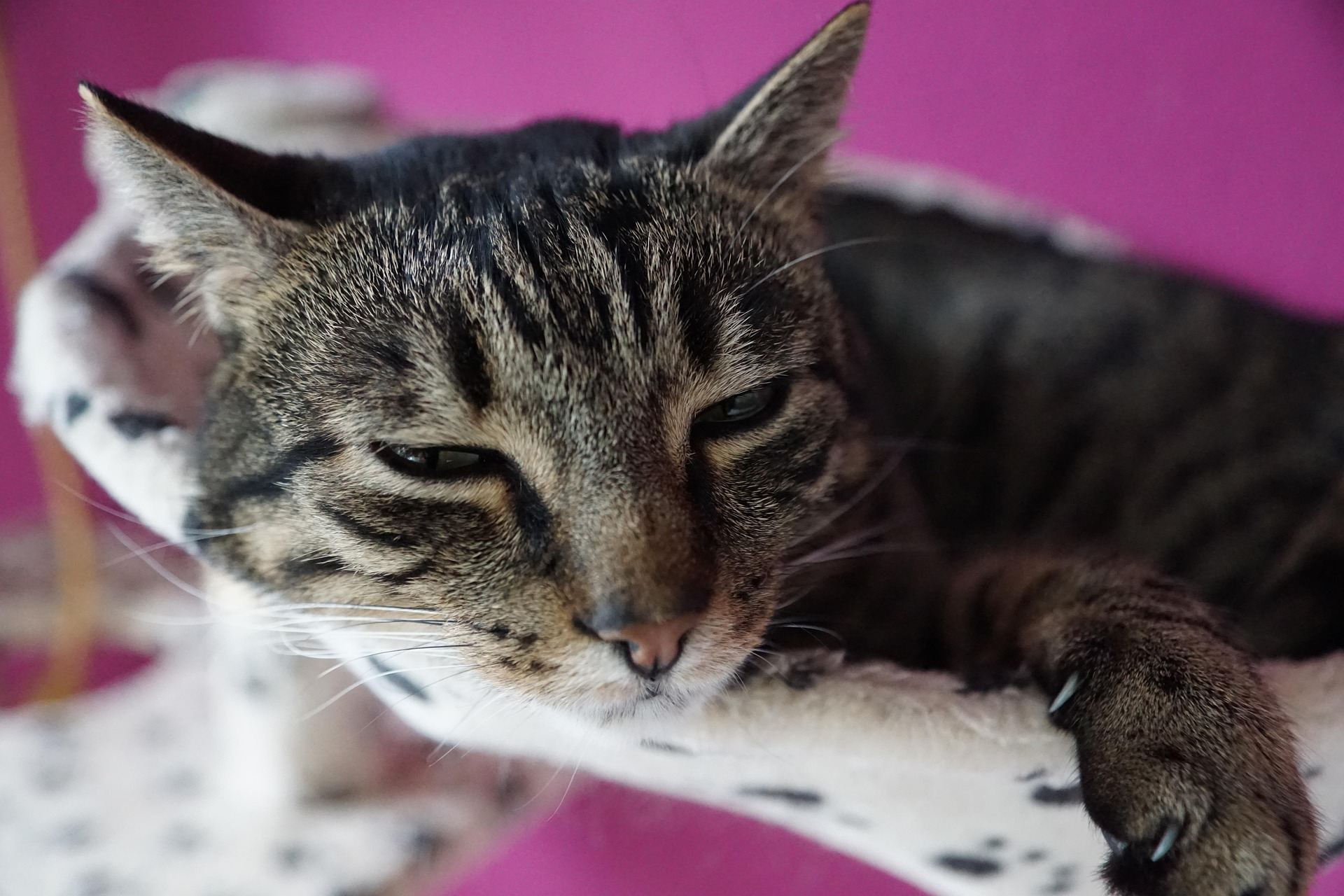
If, as well as not eating, your cat is vomiting, has diarrhoea, is listless, is losing weight, is in pain or is behaving differently, you shouldn’t wait.
What can you do if your cat won’t eat?
Whilst keeping an eye on how your cat is doing, you can try a few simple steps:
✔️ Offer their usual food in a quiet place. Place the food bowl in a quiet area, away from noise, constant foot traffic and other animals if these cause your cat stress.
✔️ Check the food bowl. Some cats may feel uncomfortable with certain types of bowls. A clean, wide and shallow bowl may be more comfortable for them.
✔️ You could offer wet food. Wet food usually has a stronger aroma and may be more appealing to some cats. If your cat is used to it, this could be an option to try and stimulate their interest in food.
You can also serve their food slightly warm – never hot – to enhance the aroma.
✔️ Stay calm and don’t force them to eat. It’s not advisable to force your cat to eat. This can increase their stress and lead to a refusal to eat.
If the loss of appetite persists, the priority should be to find out why they’ve stopped eating.
How long can a cat go without eating?
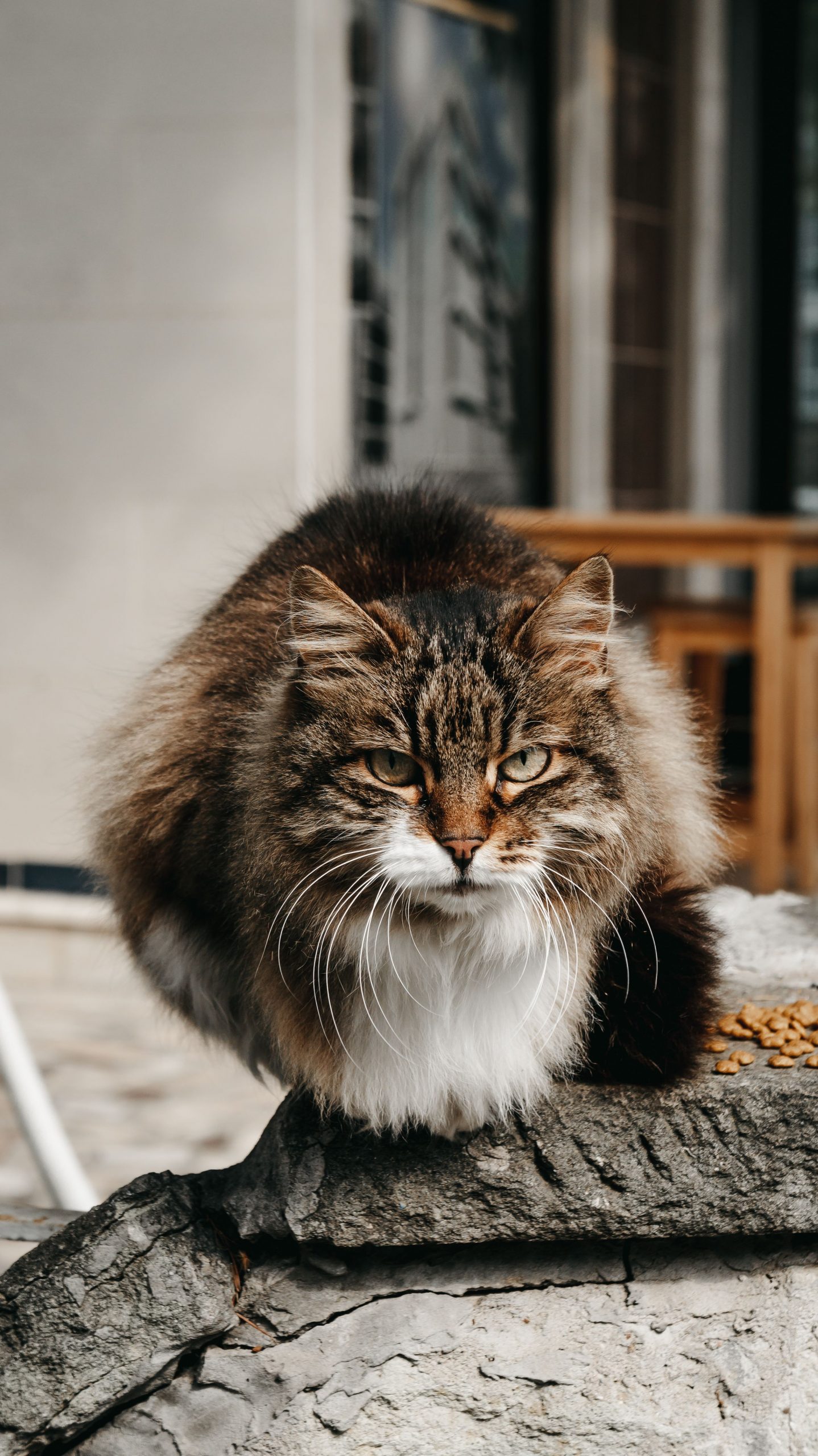
A loss of appetite in cats should not be taken lightly. A cat that stops eating may develop serious problems, especially if the fast continues for a long time.
In some cases, a prolonged lack of food can lead to hepatic lipidosis, a condition that affects the liver and can be serious.
Therefore, if your cat has not eaten for around 24 hours, particularly if it is overweight, it is advisable to contact your vet to assess the situation.
When should you take your cat to the vet?
Consult a vet if:
– It has not eaten for 24 hours.
– It has also stopped drinking.
– It is vomiting or has diarrhoea.
– It is listless or weaker than usual.
– It has lost weight.
– It has difficulty chewing or swallowing.
– It is drooling or has severe bad breath.
– It is an older cat or has an underlying medical condition.
– You suspect it may have ingested something toxic or an object.
A loss of appetite is a symptom, not a condition in itself. To resolve it, you need to identify what is causing it.
📌 If your cat won’t eat, note when the problem started and whether there are any other symptoms. Check for any recent changes to their environment or diet, but don’t wait too long if they continue to refuse food.
In cats, a prolonged loss of appetite can be the first sign of a health problem. If in any doubt, a timely veterinary assessment can make all the difference.