


Hairballs in cats
Signs, treatment and prevention
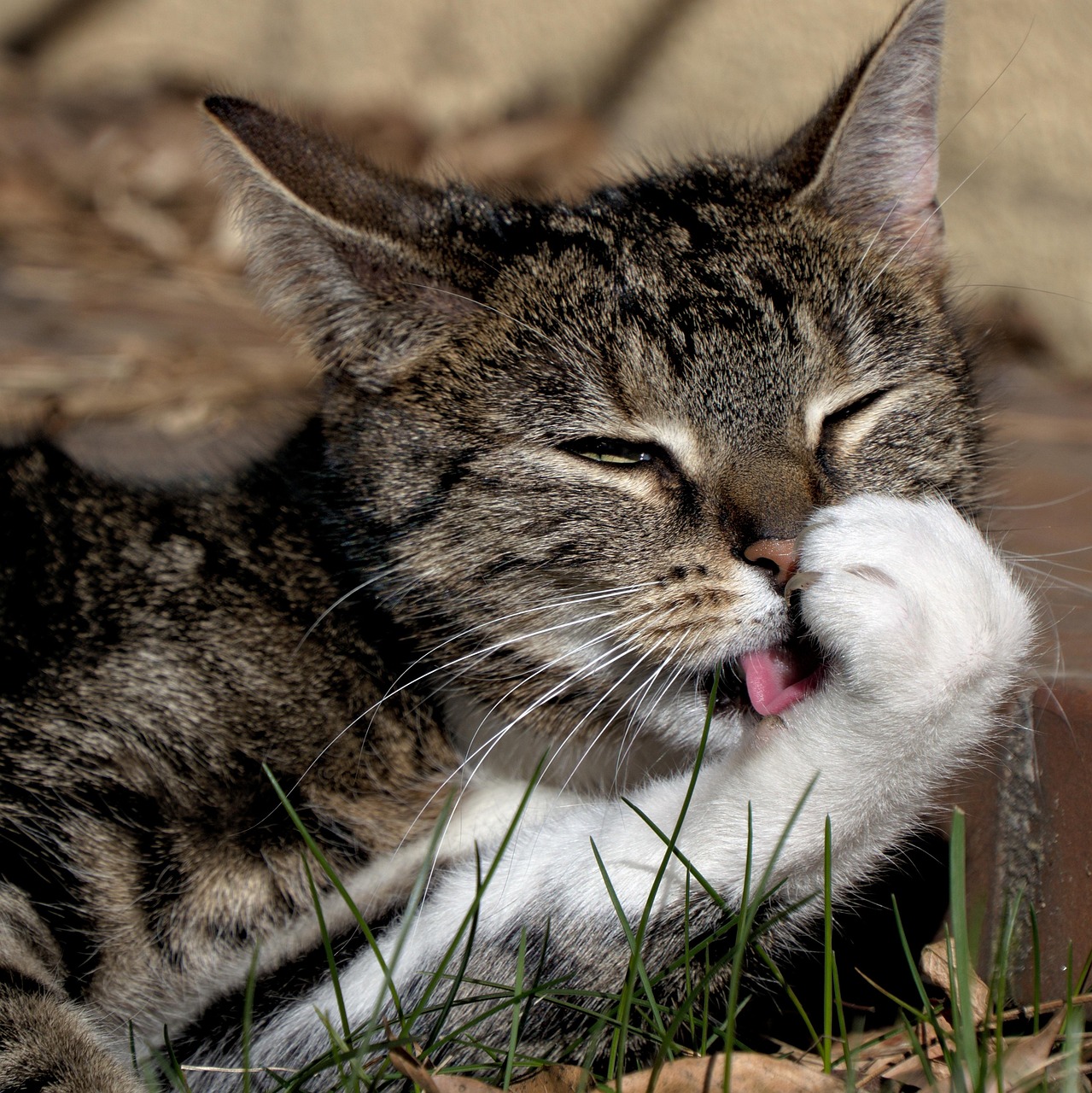
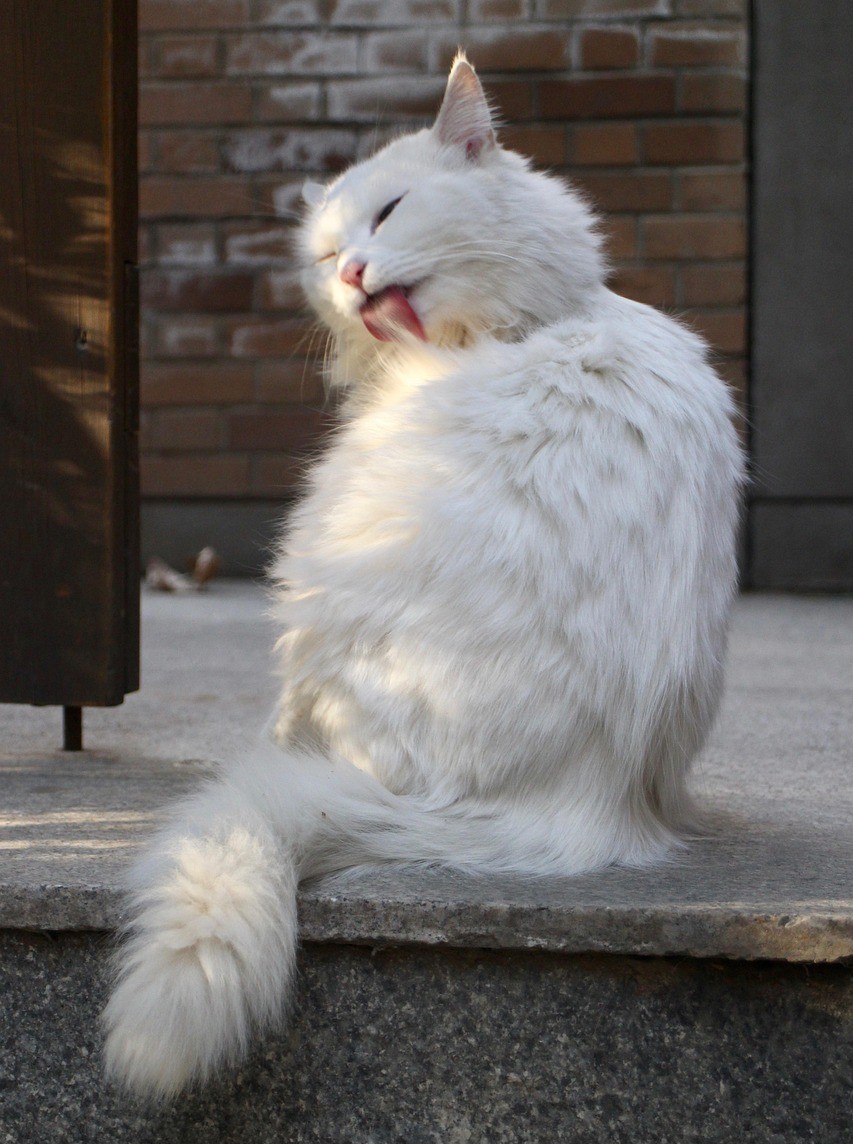
If you live with a cat, you know that grooming is practically their Olympic sport. They spend hours licking themselves and, in the process, swallow hair. Normally, nothing happens: that hair is eliminated in their faeces or vomited up without any major problems.
But when it accumulates in the stomach and forms a trichobezoar or hairball, it can cause discomfort.
Why do they form?
A cat’s tongue has a rough texture that pulls loose hair inwards. In most cases, the body eliminates it without difficulty. The problem arises when the amount is excessive, especially during moulting season or in long-haired cats.
Warning signs
These are the most common symptoms:
🔹Recurrent vomiting or retching
🔹Regurgitation of liquid with hair
🔹Loss of appetite or apathy
🔹Constipation or changes in stool
🔹Frequent coughing
🔹Excessive licking, especially of the abdomen
If these signs last more than 48 hours, or you notice difficulty defecating or breathing, it is important to see your vet. In rare cases, a hairball can cause an intestinal obstruction that requires urgent treatment.
How are they diagnosed?
A physical examination is carried out at the vet’s, and imaging tests such as X-rays or ultrasound scans are performed if necessary. Additional tests may also be requested to rule out other causes.
Sometimes, excessive hairballs can be related to stress, parasites or skin problems that cause excessive grooming.
Treatment and prevention
The key is prevention:
✔ Regular brushing
For short-haired cats, at least twice a week.
For long-haired cats, ideally daily, especially in spring and autumn.
✔ Cat malt
This acts as an intestinal lubricant and facilitates the expulsion of hair.
✔ Specific diet
Fibre-rich feed helps hair move through the intestines without accumulating.
📌Hairballs are common and, in most cases, not serious. But if you notice changes in your cat’s behaviour, appetite or stools, don’t ignore them.